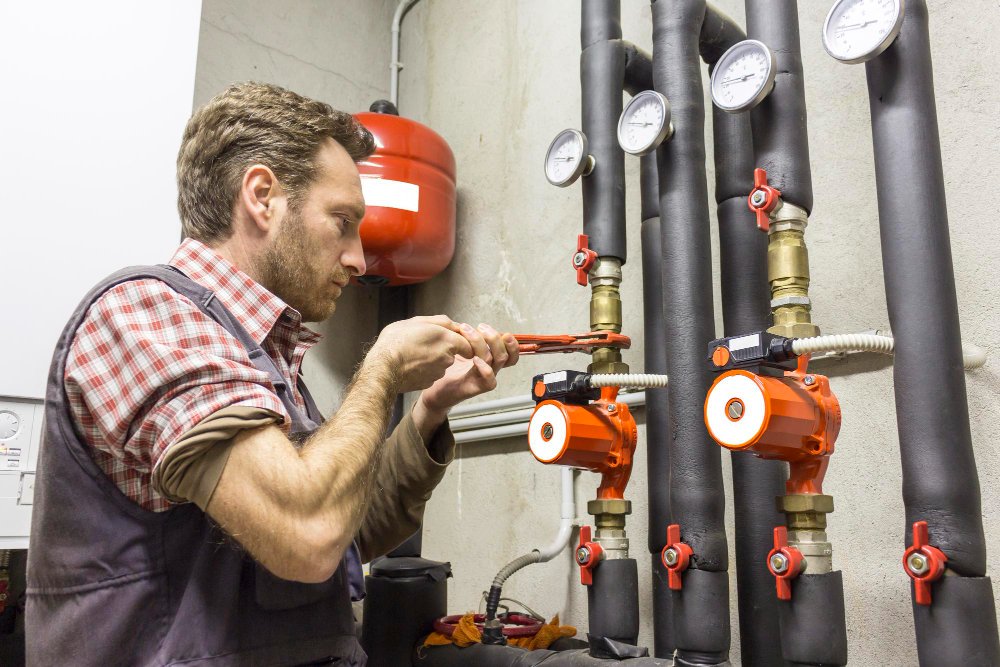

When it comes to home plumbing, most people think about faucets, drains, and water heaters — but few realize that one small component quietly protects the entire system from catastrophic damage: the PRV Valve. Short for “Pressure Reducing Valve,” this crucial device regulates incoming water pressure from the municipal supply, ensuring your home’s pipes and fixtures stay safe, efficient, and leak-free. Without it, high pressure could lead to burst pipes, appliance damage, and costly water waste.
What Is a PRV Valve?
The PRV Valve is a mechanical regulator installed where your home’s main water line enters the property. It reduces the often high pressure from city water systems — typically between 80 and 150 PSI — down to a safe, manageable level (around 50–60 PSI for most homes). It’s the unsung hero of your plumbing system, quietly working around the clock to protect your fixtures, appliances, and piping network from damage.
Think of it as a pressure “gatekeeper.” Too little water pressure can make showers weak and dishwashers sluggish. Too much pressure, on the other hand, can stress joints, valves, and hoses — eventually causing leaks or ruptures.
Why Water Pressure Control Matters
High water pressure might sound like a good thing — strong showers and fast fills, right? But in reality, excessive pressure can wreak havoc on your plumbing over time. The potential issues include:
- Burst Pipes: Constant pressure strain weakens pipe walls and connections.
- Leaky Fixtures: Faucets and toilets develop slow leaks due to worn seals.
- Appliance Damage: Water heaters, washing machines, and dishwashers aren’t designed for extreme pressure.
- Increased Water Bills: Even minor leaks waste hundreds of gallons each month.
A properly functioning PRV Valve ensures that your home receives steady, safe water flow — protecting both your property and your wallet.
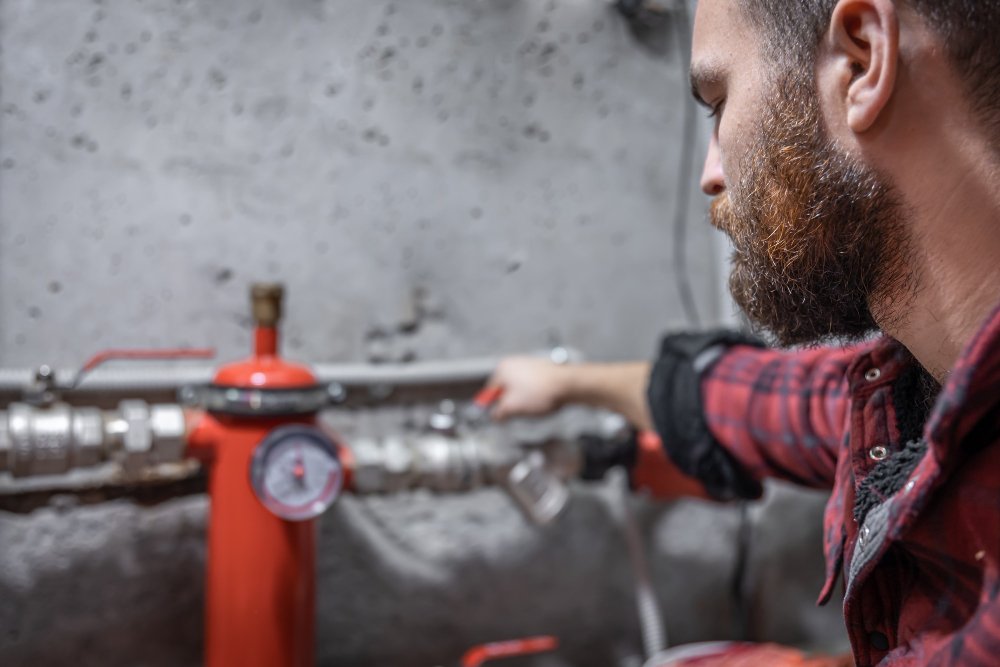
Signs of PRV Valve Problems
Like any mechanical device, a PRV valve can wear out over time. Most last 7–12 years, depending on water quality and usage. Here are signs that yours may need inspection or replacement:
- Sudden drops or spikes in water pressure
- Whistling or banging noises in pipes
- Leaky faucets or running toilets throughout the home
- Shortened lifespan of water-using appliances
- Dripping from the temperature-pressure relief valve on your water heater
If you notice any of these symptoms, it’s time to schedule a pressure check and possible PRV Valve service.
How a PRV Valve Works
Inside the valve body, a spring-loaded diaphragm controls water flow. When incoming pressure is too high, the spring compresses to restrict water volume. As pressure stabilizes, the valve relaxes, maintaining consistent output. This mechanical balance ensures smooth, predictable flow through every faucet and fixture in your home.
The system operates automatically, but adjustments can be made by a professional plumber if your home’s pressure needs fine-tuning — for example, when adding new bathrooms or upgrading appliances.
Testing Your Home’s Water Pressure
You can test your water pressure easily using a simple gauge available at most hardware stores. Attach it to an outdoor spigot, turn on the water, and read the dial. A healthy range is typically between 40 and 70 PSI. Anything above 80 PSI is considered excessive and could signal a failing PRV Valve.
If your reading is too high, contact local plumbing professionals for a full system evaluation. They can test pressure at multiple points, inspect the valve for wear, and recalibrate or replace it as needed.
Why Professional Installation Matters
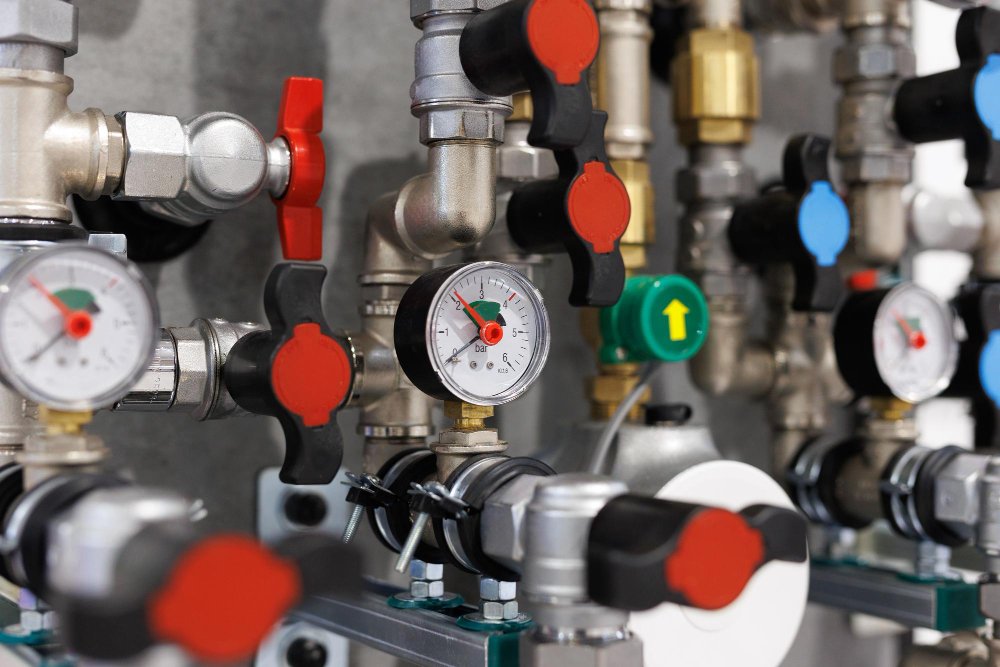
Installing or replacing a PRV valve might look simple, but proper sizing and calibration are crucial. The valve must match your home’s pipe diameter, layout, and pressure needs. Incorrect installation can cause irregular pressure, noisy pipes, or premature wear. Licensed plumbers have the tools to measure and adjust settings precisely — ensuring long-term reliability and efficiency.
Additionally, professional installation guarantees compliance with local plumbing codes, protecting your home’s warranty and insurance coverage.
Maintenance Tips for Longevity
While PRV valves are low-maintenance, periodic inspections can prevent unexpected issues. Here’s how to extend your valve’s lifespan:
- Schedule annual pressure tests.
- Flush your plumbing system periodically to remove sediment buildup.
- Replace valves every 8–10 years, or sooner if performance drops.
- Inspect your water heater’s relief valve — pressure surges often show up there first.
Staying proactive ensures stable pressure and fewer plumbing emergencies down the road.
Read More in Homeolo Hub Blog
- Finding the Perfect Flooring in El Dorado Hills: A Homeowner’s Journey
 Searching for the perfect flooring in El Dorado Hills? Follow Lisa’s journey as she explores hardwood, luxury vinyl, and tile to find a smart, stylish solution for her home.
 - Shinnoki Cabinets: A Smart Solution for Modern Homes
 Looking for a modern and stylish cabinetry solution? Shinnoki cabinets offer durability, easy installation, and a cost-effective alternative to traditional wood cabinets. Learn why they might be the perfect fit for your home.
 - Smart Home Solutions: Tech Upgrades to Make Life Easier
 Discover the latest smart home upgrades, from lighting and security to energy-efficient thermostats and appliances. Make your home smarter and your life easier!
How a Faulty PRV Affects Your Whole Home
Without proper regulation, high water pressure doesn’t just affect one fixture — it impacts everything connected to your system. From pinhole leaks inside walls to damaged washing machine hoses, unchecked pressure can create cascading problems. Over time, even your water heater and irrigation systems suffer stress that shortens their lifespan.
That’s why routine inspection of your PRV Valve is as important as checking your smoke detectors or HVAC filters — small tasks that prevent big repairs.
PRV Valves and Modern Home Efficiency
In today’s energy-conscious homes, water efficiency is just as important as energy efficiency. Proper pressure control reduces water waste and helps appliances like dishwashers and washing machines operate at peak performance. According to Smart Remodeling Community, homes equipped with properly calibrated pressure valves use up to 20% less water annually than those without them — a significant savings both environmentally and financially.
Cost of PRV Valve Replacement
Replacing a PRV Valve typically costs between $300 and $600, including labor and materials. The investment pays for itself quickly through reduced water waste and fewer repair calls. Plus, upgrading to modern brass or stainless-steel models ensures corrosion resistance and long-term durability.
Final Thoughts
Though small and often overlooked, your PRV valve is one of the most important parts of your plumbing system. It keeps water pressure stable, protects your pipes, and saves water every single day. Whether you suspect a problem or simply want peace of mind, schedule a quick pressure test and inspection. Professional service ensures your home’s plumbing runs smoothly — and helps prevent the costly consequences of unchecked water pressure.
 Homeolo Hub