
Replacing exterior siding is one of the most impactful investments a homeowner can make. New siding improves curb appeal, enhances energy efficiency, and protects the structure from weather-related damage. Homeowners researching siding costs often discover that prices vary significantly depending on material selection, labor requirements, and the overall size of the home.
Understanding what influences pricing allows homeowners to create realistic budgets and avoid unexpected expenses. While siding replacement is a substantial investment, the long-term benefits often outweigh the upfront costs.
This guide explains what homeowners should expect when planning an exterior remodeling project.
Why Siding Replacement Is Worth the Investment
Siding serves several important purposes beyond aesthetics.
Benefits Include:
- Weather protection
- Improved insulation
- Enhanced curb appeal
- Increased property value
- Reduced maintenance needs
Updated exteriors also attract future buyers.
Well-maintained siding protects structural components from costly damage.
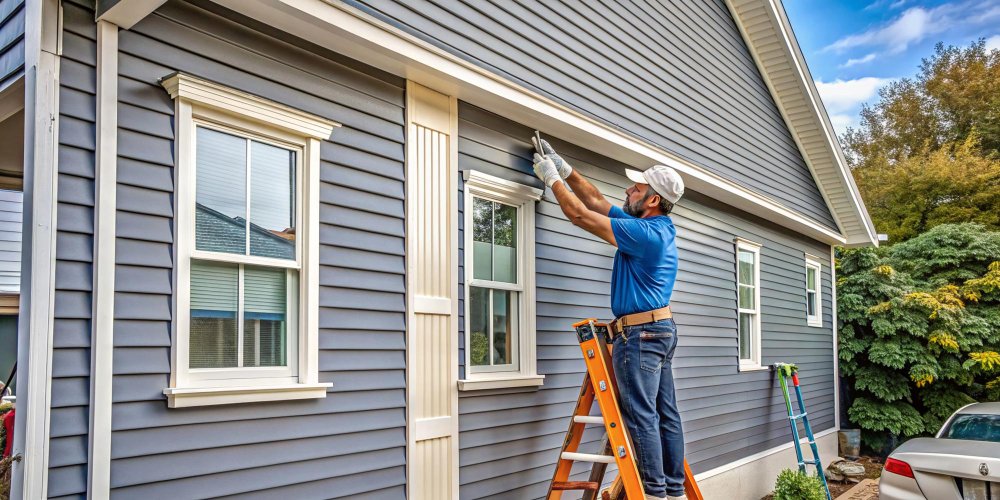
What Factors Influence Siding Costs?
Several variables determine overall project expenses.
Primary Cost Factors Include:
- Material selection
- Home size
- Labor rates
- Geographic location
- Architectural complexity
- Removal of old siding
Every project is unique, which is why estimates can vary considerably.
Average Cost by Material Type
Material selection is usually the biggest pricing factor.
Vinyl Siding
- $5 to $12 per square foot installed
Advantages:
- Affordable
- Low maintenance
- Wide color selection
Fiber Cement Siding
- $8 to $15 per square foot installed
Advantages:
- Exceptional durability
- Fire resistance
- Wood-like appearance
Engineered Wood Siding
- $8 to $16 per square foot installed
Advantages:
- Authentic texture
- Impact resistance
- Improved moisture protection
Natural Wood Siding
- $10 to $20 per square foot installed
Advantages:
- Timeless beauty
- Natural appearance
Metal Siding
- $10 to $18 per square foot installed
Advantages:
- Modern aesthetics
- Long lifespan
- Low maintenance
Home Size and Total Project Costs
Square footage directly affects expenses.
Estimated Ranges
1,500-square-foot home:
- $8,000 to $18,000
2,000-square-foot home:
- $10,000 to $25,000
3,000-square-foot home:
- $18,000 to $40,000+
These estimates vary by material and region.
Labor Costs Explained
Labor accounts for a significant portion of overall expenses.
When evaluating siding costs, labor typically represents 40% to 60% of the total budget.
Labor Pricing Depends On:
- Material complexity
- Home height
- Accessibility
- Architectural details
Multi-story homes generally require additional labor.
Hidden Costs Homeowners Often Overlook
Unexpected expenses can impact budgets.
Potential Additional Costs Include:
- Rotten sheathing repairs
- Flashing upgrades
- House wrap installation
- Permit fees
- Trim replacement
Setting aside a contingency fund is highly recommended.
How Energy Efficiency Affects Long-Term Savings
New siding can improve insulation performance.
Energy Upgrades Include:
- Insulated house wraps
- Foam-backed systems
- Air sealing improvements
These upgrades may lower utility bills over time.
Which Siding Material Provides the Best Value?
There is no universal answer.
Budget-Conscious Homeowners
- Vinyl siding
Balanced Performance
- Engineered wood
- Fiber cement
Luxury Homes
- Natural wood
- Metal siding
Your priorities should guide the decision.
Read More in Homeolo Hub Blog
- Finding the Perfect Flooring in El Dorado Hills: A Homeowner’s Journey
 Searching for the perfect flooring in El Dorado Hills? Follow Lisa’s journey as she explores hardwood, luxury vinyl, and tile to find a smart, stylish solution for her home.
 - Shinnoki Cabinets: A Smart Solution for Modern Homes
 Looking for a modern and stylish cabinetry solution? Shinnoki cabinets offer durability, easy installation, and a cost-effective alternative to traditional wood cabinets. Learn why they might be the perfect fit for your home.
 - Smart Home Solutions: Tech Upgrades to Make Life Easier
 Discover the latest smart home upgrades, from lighting and security to energy-efficient thermostats and appliances. Make your home smarter and your life easier!
How New Siding Increases Home Value
Exterior improvements often deliver strong returns.
Benefits include:
- Improved curb appeal
- Enhanced buyer interest
- Modernized appearance
- Better weather protection
Buyers frequently prioritize updated exteriors.
Professional Installation Is Essential
Quality workmanship directly affects performance.
Experienced installers ensure:
- Proper moisture barriers
- Correct fastening methods
- Accurate alignment
- Weatherproof sealing
Improper installation can shorten siding lifespan.
Many homeowners researching house siding installation cost options discover that investing in skilled labor saves money long-term.
Questions Homeowners Should Ask Before Starting
- What is my total budget?
- How long will I stay in this home?
- How much maintenance am I willing to perform?
- What climate do I live in?
- Should I upgrade insulation simultaneously?
These answers simplify planning.
Tips to Stay Within Budget
- Obtain multiple estimates
- Choose durable materials
- Plan during off-peak seasons
- Include contingency funds
- Prioritize long-term value over upfront savings
Careful planning reduces financial surprises.
Understanding siding costs allows homeowners to prepare realistic budgets and avoid unexpected expenses during exterior remodeling projects.
Although pricing varies by material and project complexity, siding replacement remains one of the most valuable home improvements available.
By carefully evaluating siding costs, homeowners can confidently invest in an exterior solution that improves curb appeal, energy efficiency, and long-term property value.

 Homeolo Hub